BEIJING
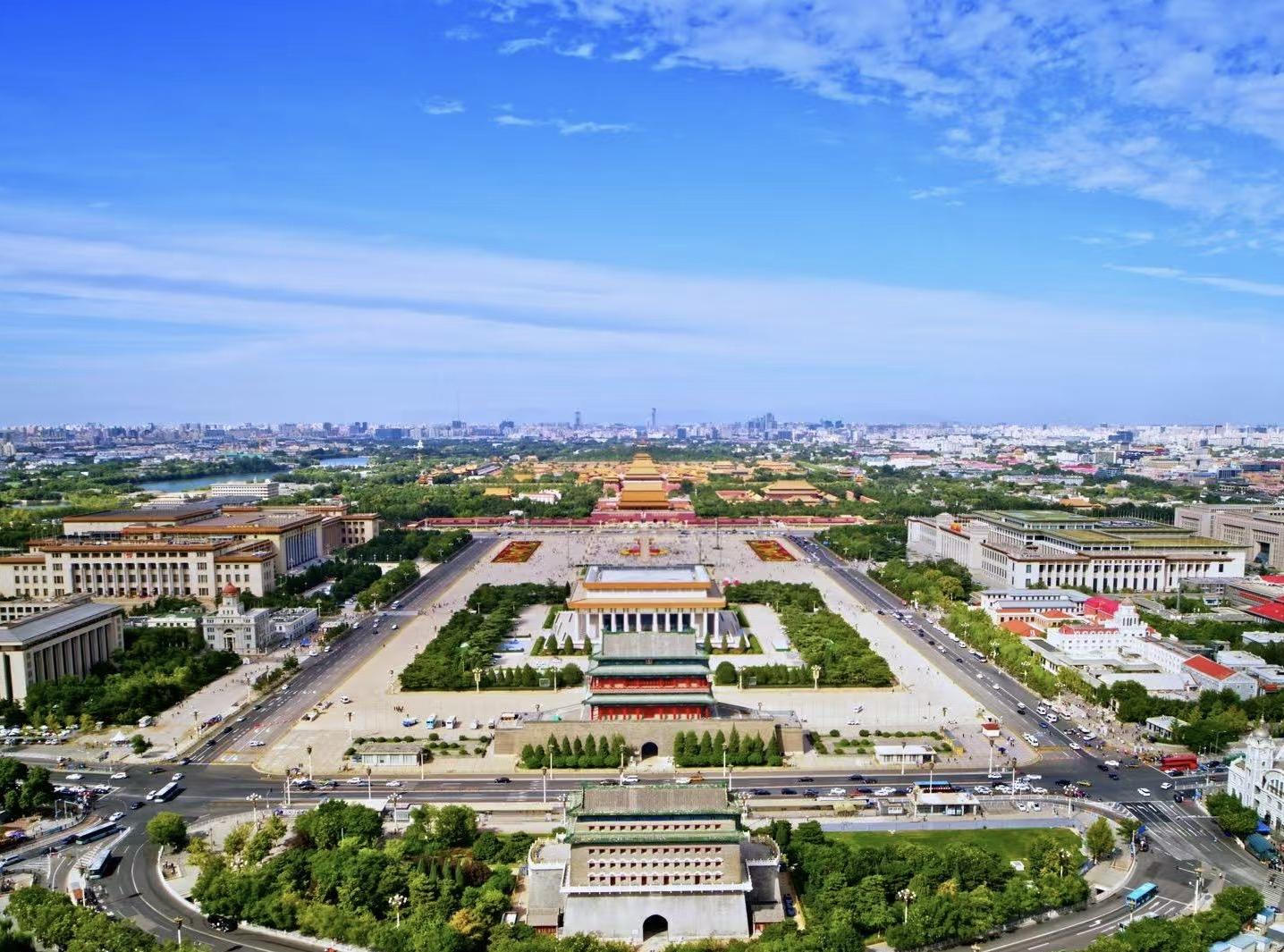

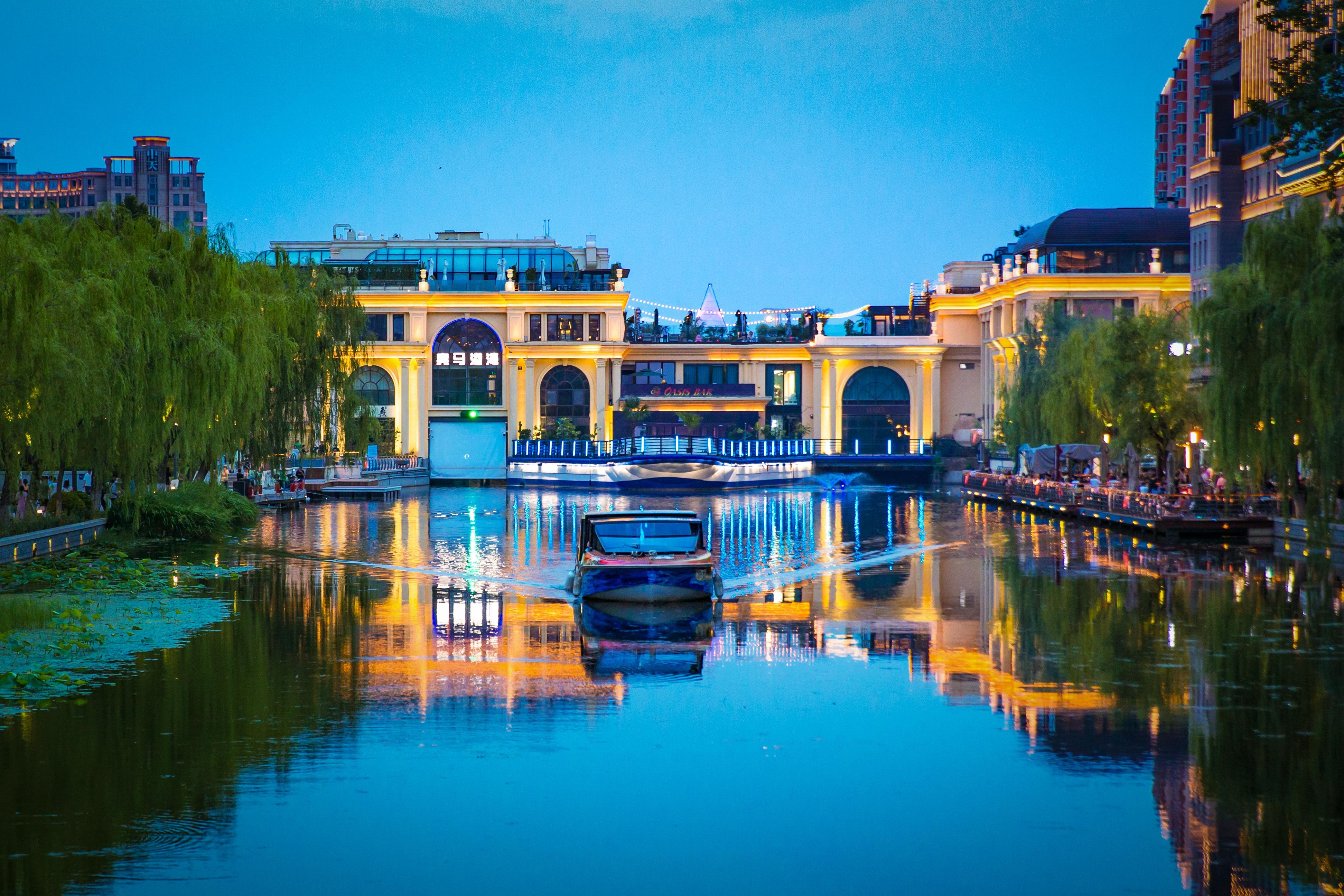
Beijing is the capital of the People’s Republic of China. It is the national political center, cultural center, center for international exchanges, and center for scientific and technological innovation. Nestled on the north of the North China Plain, it borders Tianjin Municipality to the east and is surrounded by Hebei Province on all other sides, covering a total area of 16,410.54 square kilometers. As of the end of 2024, the city had a permanent population of 21.832 million, including 19.26 million urban residents, accounting for 88.2% of the total. In 2025, Beijing’s gross regional product (GRP) exceeded the 5-trillion-yuan mark and reached 5.20734 trillion yuan, representing a year-on-year increase of 5.4% at constant prices.
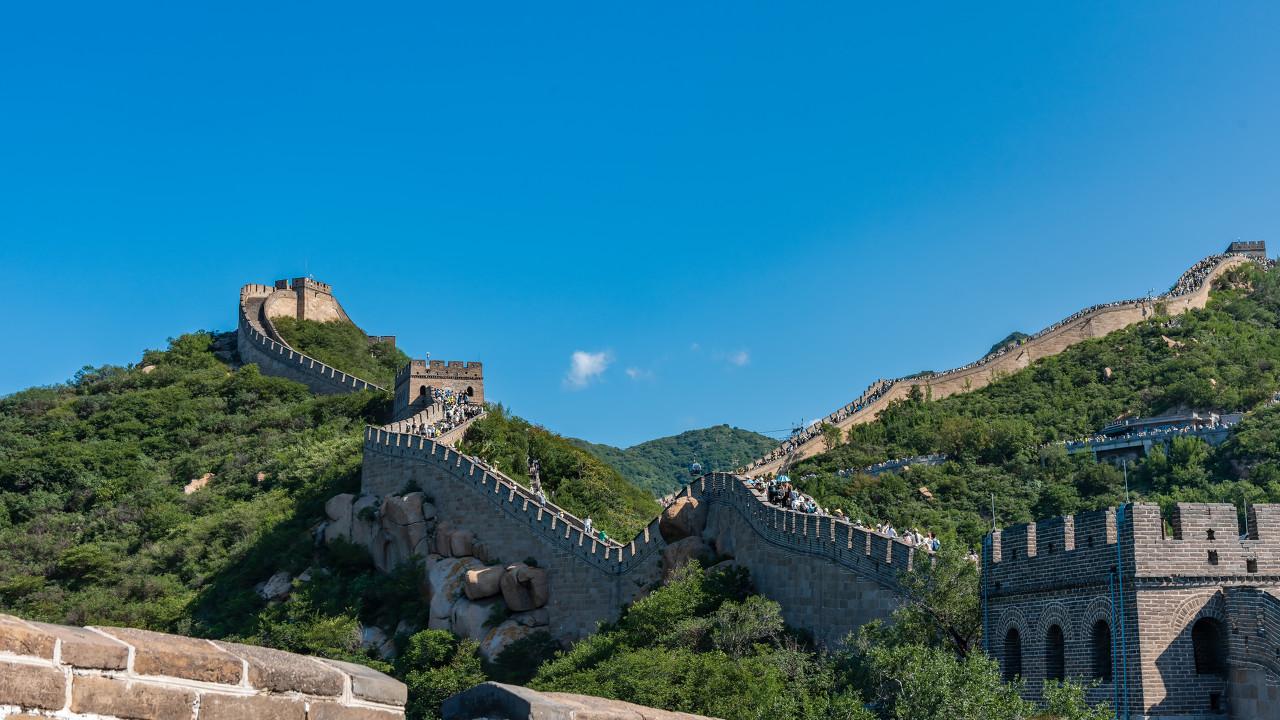
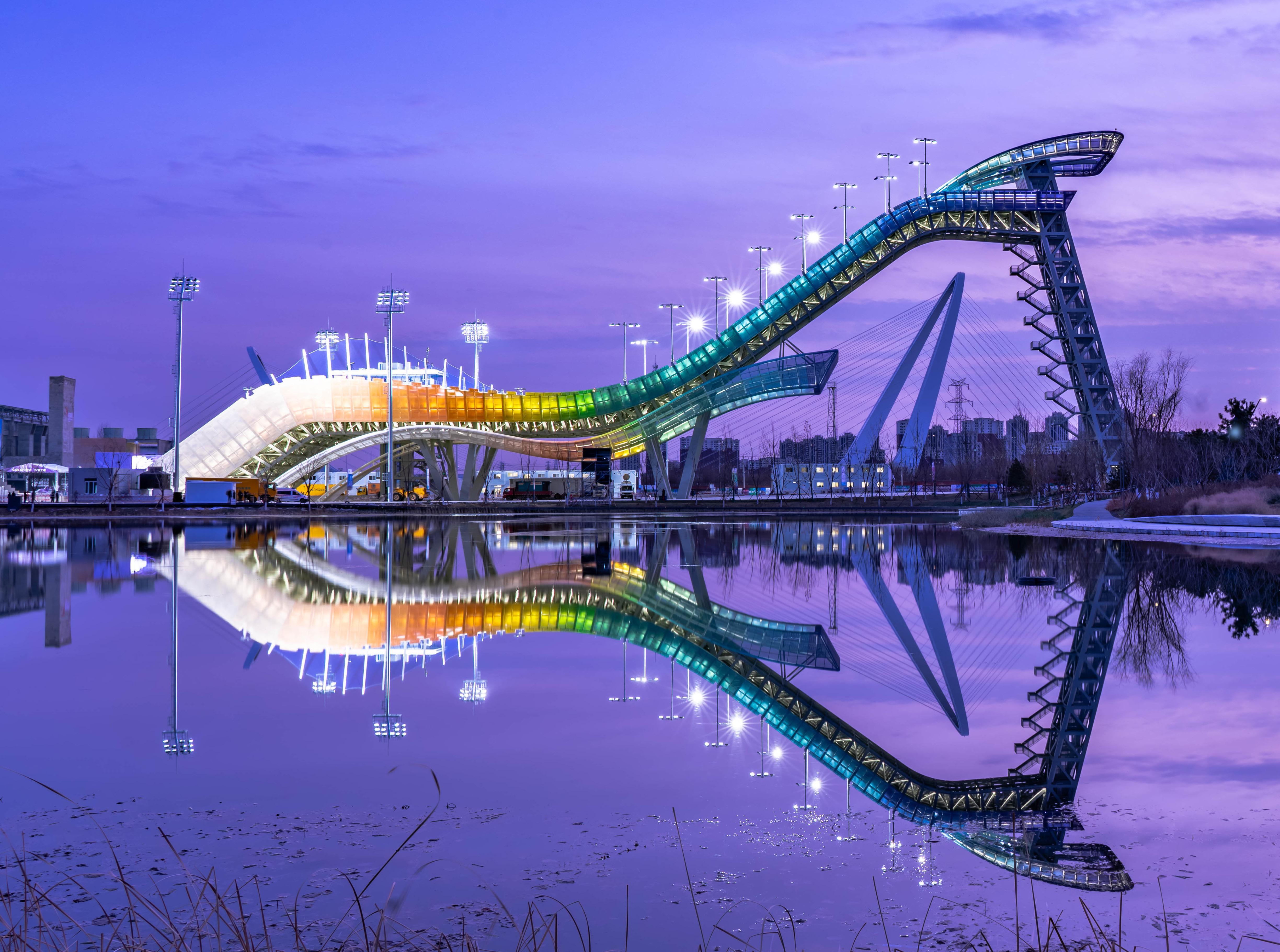
Boasting a history of over 3,000 years as an established city and more than 870 years as the capital, Beijing has a profound historical and cultural heritage. It is a world-renowned historical and cultural city with the largest number of UNESCO World Heritage sites among all global cities. Having successfully hosted the 2008 Summer Olympics and the 2022 Winter Olympics, it is the world’s first and only “Dual Olympic City”. The city has a sound public cultural service system, with over 200 museums. Hosting more than 10,000 cultural and artistic performances annually, it is building itself into a “City of Performing Arts”.
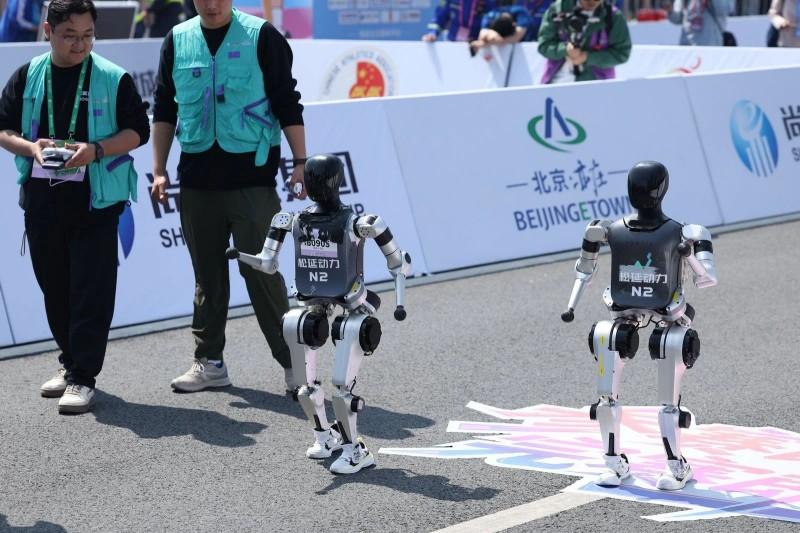
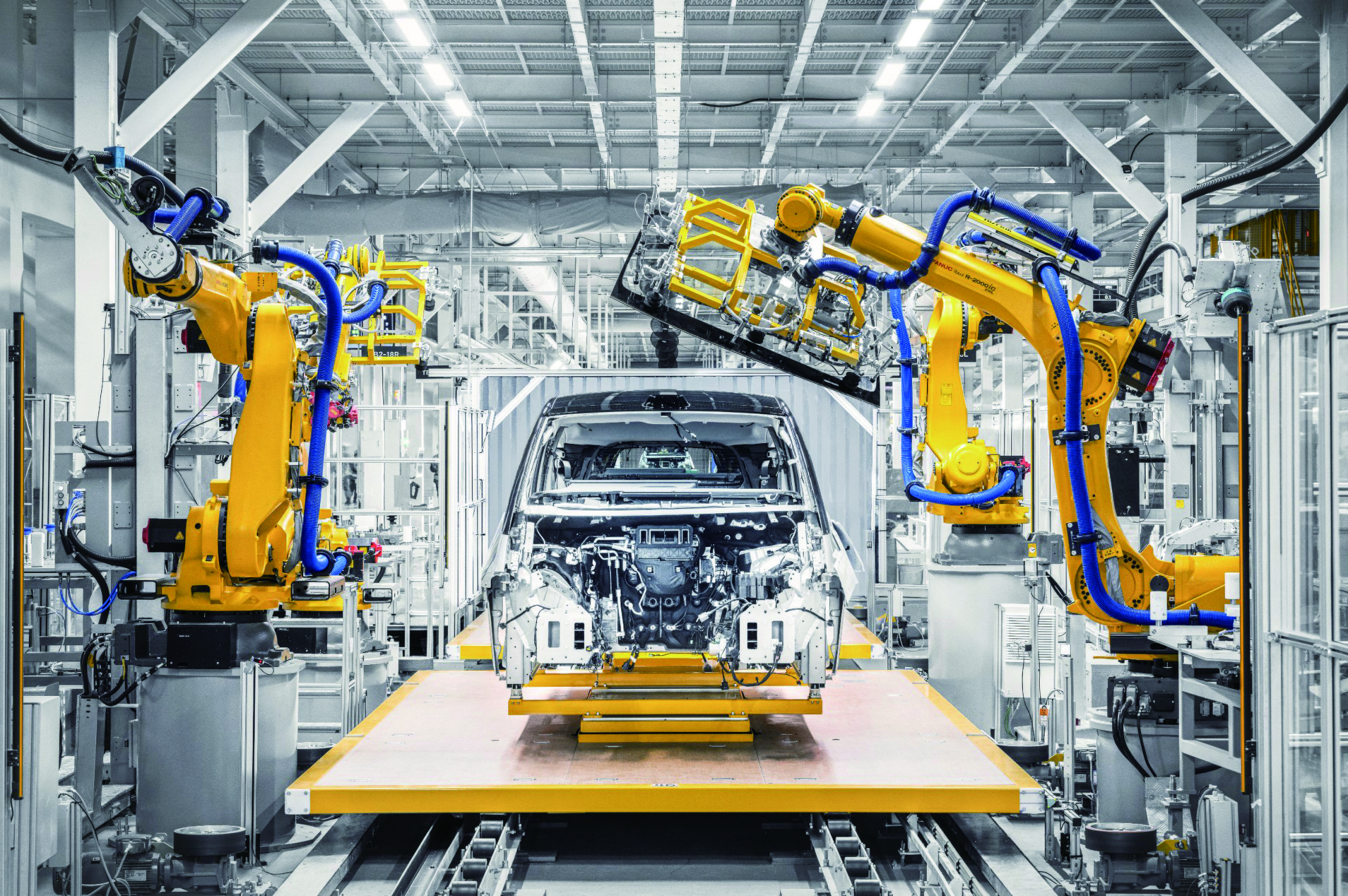
Beijing is a hub of scientific and technological innovation resources, housing 92 institutions of higher education, 145 national key laboratories, and over 1,000 scientific research institutions. It is home to nearly half of the academicians of the Chinese Academy of Sciences and the Chinese Academy of Engineering. With a well-developed industrial system, the city has cultivated three trillion-yuan industrial clusters, namely next-generation information technology, science and technology services, and pharmaceutical and health care, as well as seven 100-billion-yuan industrial clusters including artificial intelligence, and energy conservation and environmental protection.
Beijing boasts a sound ecological environment, with over 1,100 various types of parks and a forest coverage rate of 45%. In 2025, the annual average concentration of fine particulate matter (PM2.5) dropped below 30 micrograms per cubic meter for the first time, and multiple air quality indicators reached the best level since monitoring began. Remarkable achievements have been made in water resource protection and biodiversity conservation. A total of 527 bird species have been documented in Beijing, accounting for more than one-third of China’s total. It is among the most biodiversity-rich metropolises in the world.