NANJING
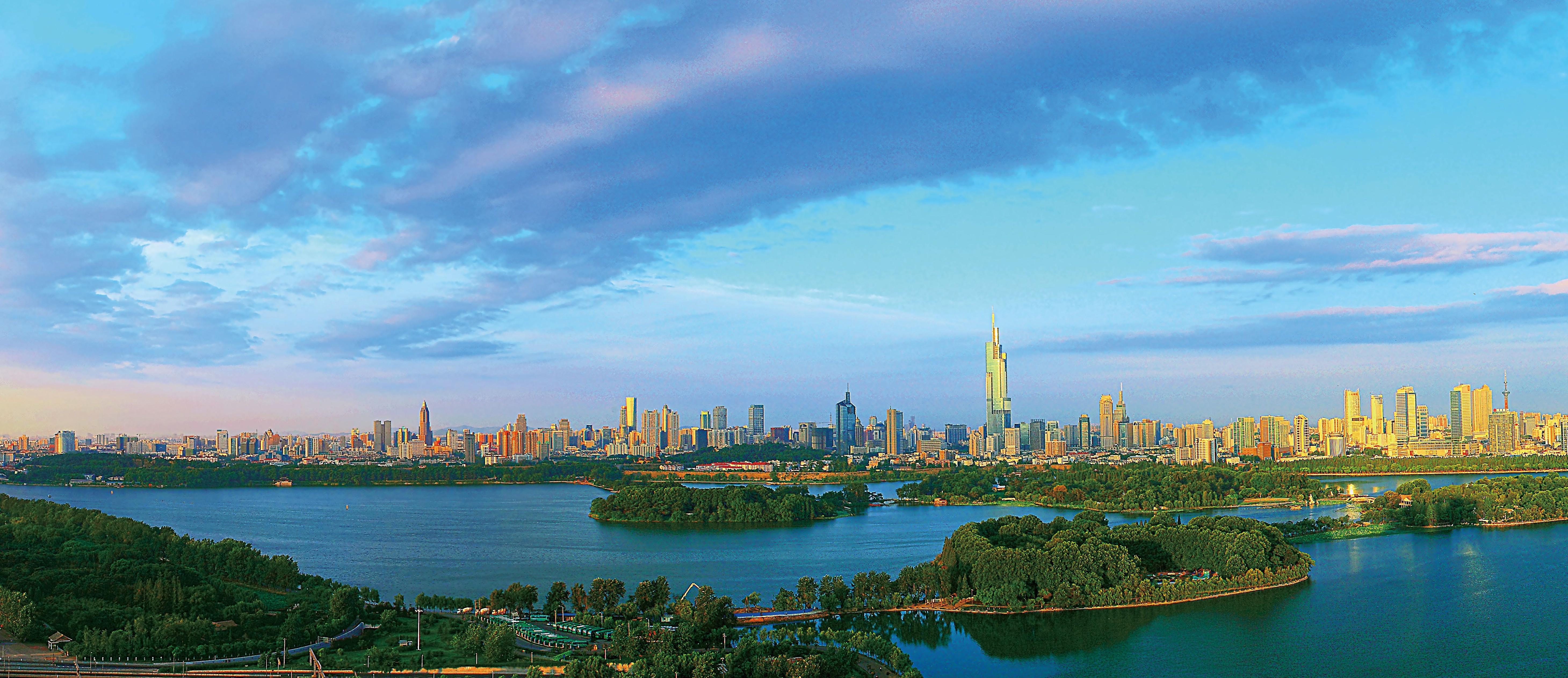
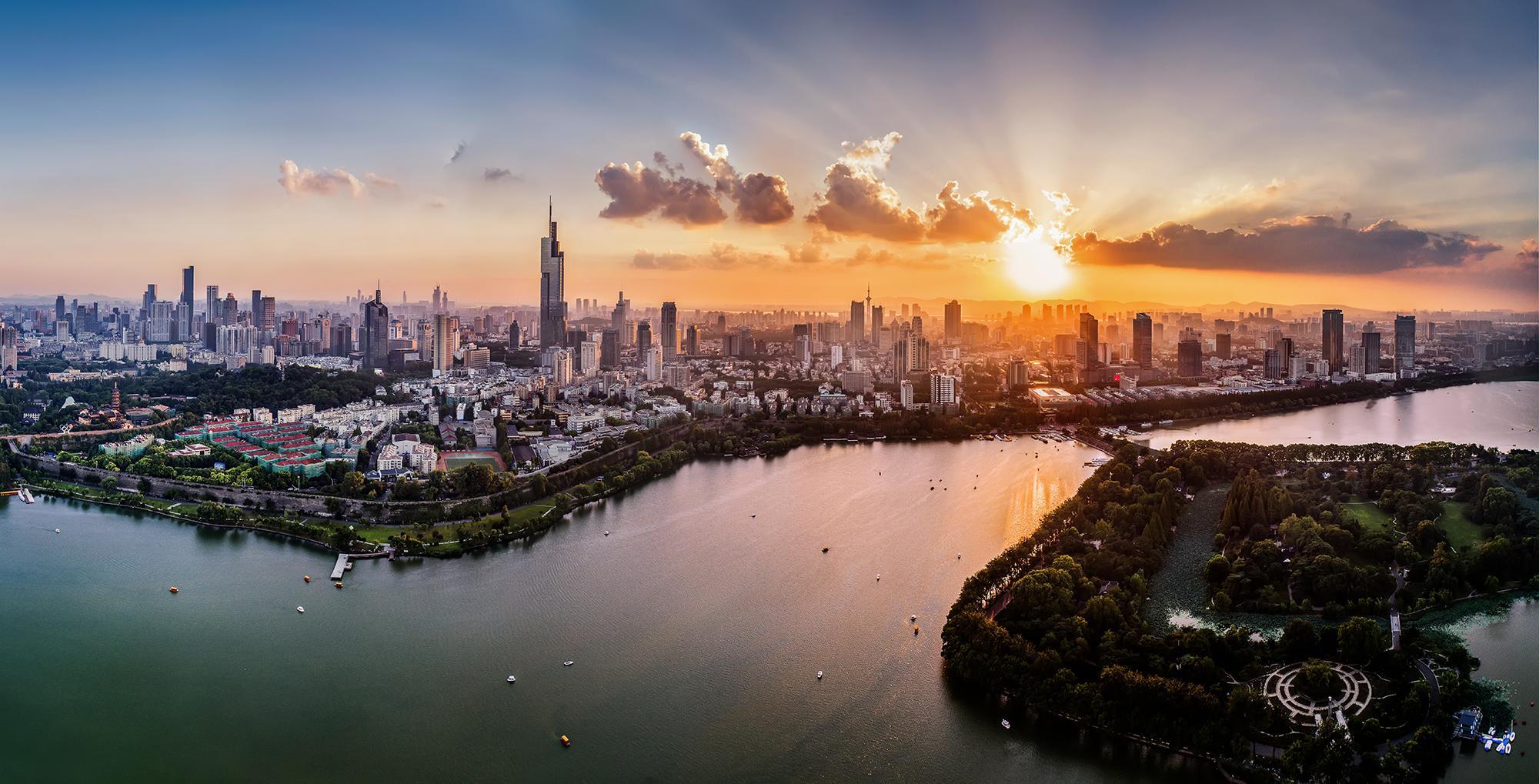

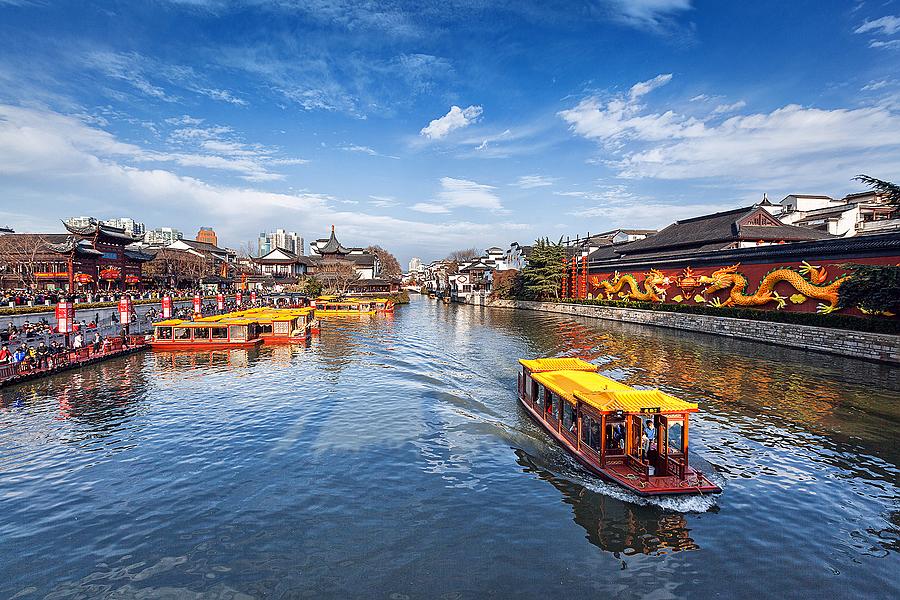
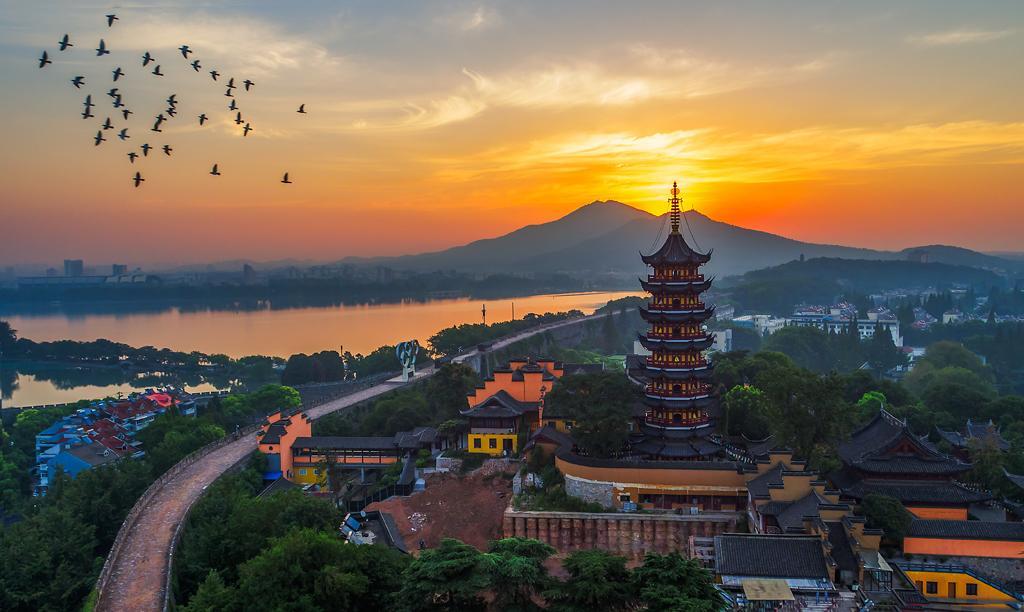
Nanjing, the capital city of Jiangsu Province, covers a total area of 6,587 square kilometers with a permanent resident population of 9.577 million. It serves as an important central city in eastern China, a national historical and cultural city, and an international integrated transport hub. Its GDP ranks among the top ten in the Chinese mainland.
Nanjing boasts a picturesque landscape integrating mountains, waterscapes, ancient city sites and forests. The green coverage rate in built-up areas is over 45% and 87.4% of days report good air quality throughout the year, reflecting excellent urban greening, water environment, and atmospheric conditions. In 2025, it attracted over 200 million domestic and international visitors, ranking first in the province.
Nanjing possesses a refined character that harmoniously reflects both its historical grandeur and modern vitality. Nanjing’s civilization spans over 6,000 years and it has 3,100 years of history as a city, during which it served as a capital for 450 years. It is home to the Xiaoling Mausoleum of the Ming Dynasty, a UNESCO World Heritage Site and five items of UNESCO Intangible Cultural Heritage. Recognized as a UNESCO City of Literature, it is also the port of departure for Zheng He’s (a navigator of China’s Ming dynasty who led a fleet on seven epic voyages to the “Western Oceans” ) maritime expeditions.
Nanjing possesses rich and high-quality innovation elements. It is home to 54 higher education institutions and 62 research institutes. Nanjing ranks third nationwide in the number of universities designated as Double First-Class, and is home to 102 academicians from the Chinese Academy of Sciences or the Chinese Academy of Engineering, or both. The city hosts 34 national key laboratories. It ranks fifth globally in Nature Index-Science Cities 2025. The sci-tech clusters in Nanjing rank fifteenth worldwide and fifth in China in the Global Innovation Index Ranking.
Nanjing boasts a sound and complete modern industrial system. Its manufacturing sector covers 37 of the 41 International Standard Industrial Classification of All Economic Activities defined by the United Nations. The city is home to four national advanced manufacturing clusters: software and information services, smart grids, the southern Jiangsu special steel materials, and the Yangtze River Delta large passenger aircraft cluster (a collaborative cluster involving other neighboring cities). Emerging industries such as artificial intelligence, robotics, and next-generation information and communications technologies have achieved double-digit growth. In 2025, the revenue from software and information services exceeded one trillion yuan, while the biomedicine sector was among China’s first echelon. The scale of smart grid industry has exceeded 500 billion yuan. The city secured the third highest number of newly designated national “single-item champion” manufacturers and was awarded as 2025 Cities of Excellence in Investment Attractiveness.
Nanjing enjoys the strategic advantage of being an open and well-connected hub. It is positioned as a city hosting a large-scale airport with an annual passenger capacity of tens of millions, a port with an annual cargo throughput of over a hundred million tons, and a national-level high-speed rail hub. It operates 35 international air routes, and its China-Europe Railway Express services connect to over 70 cities in more than ten countries. Its global sister cities network has spanned 110 cities in 59 countries. A total of 118 Fortune Global 500 companies have invested, established operations, and expanded their presence here. It has been named among the top ten in the survey findings of Amazing China-The Most Attractive Chinese Cities in the Eyes of Foreign Talents nine times, and has been recognized as a national benchmark city for business environment.